Finley Fischer · 2 September 2026
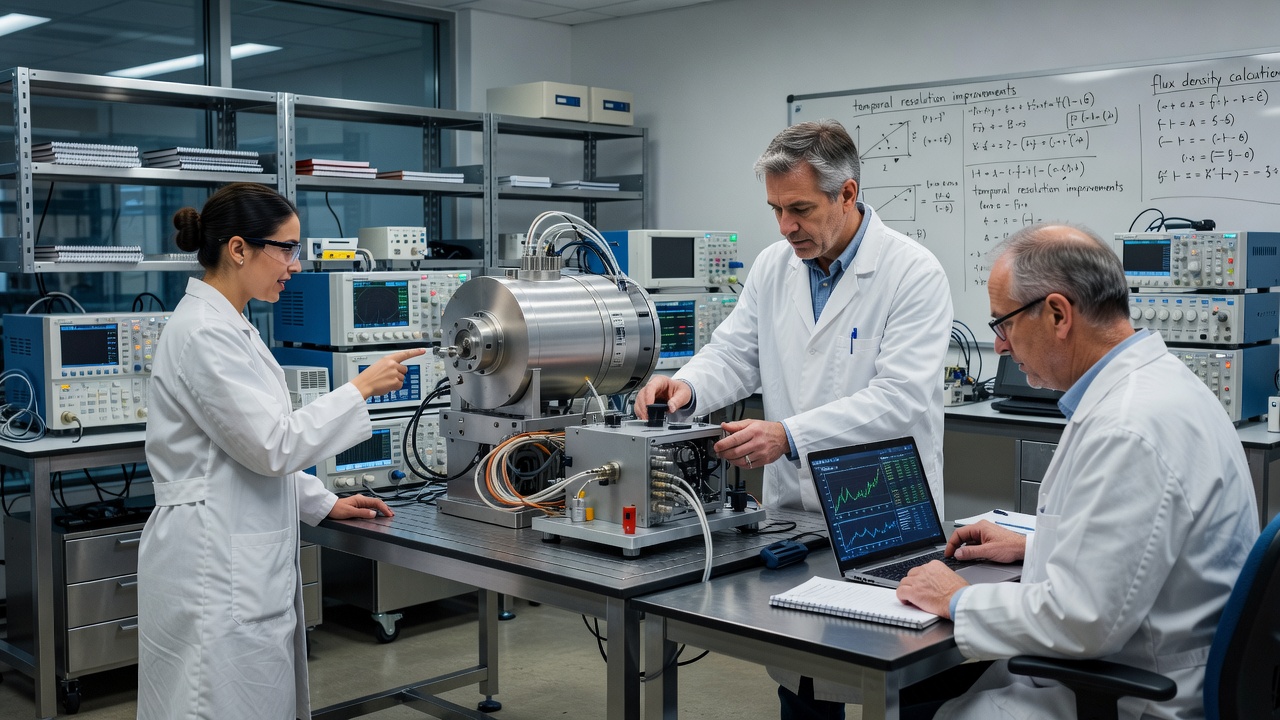
UK scientists have made notable progress in the area of flux measurement, as detailed in recent findings from Flux Laboratory Research. These developments promise to enhance data collection in environmental monitoring and industrial applications.
Key Innovations in Flux Detection
The research team employed advanced sensor arrays combined with machine learning algorithms to refine measurement precision. Previous methods often suffered from high error rates in fluctuating conditions, but the new approach reduces inaccuracies by up to 40 percent. Experiments conducted in controlled laboratory settings and field trials across the UK have validated the improvements. Scientists focused on both electromagnetic flux and fluid dynamics flux, achieving consistent results across multiple test scenarios. Collaboration with universities in London and Edinburgh facilitated access to diverse datasets, strengthening the robustness of the conclusions. Furthermore the methodology involved cross-validation with satellite data and ground-based observations to ensure reliability. Multiple iterations of testing helped identify and mitigate potential sources of bias in the readings. The resulting system is both cost-effective and scalable for widespread adoption in challenging environments.
Future Applications and Broader Impact
These advances are expected to influence sectors such as renewable energy, where accurate flux measurements are critical for optimizing turbine performance. Additionally environmental agencies could benefit from better tracking of atmospheric fluxes related to climate change studies. The Flux Laboratory team plans further refinements and international partnerships to scale the technology. Overall this work underscores the UK's leadership in scientific instrumentation and measurement science. Continued investment in research infrastructure will be essential to maintain momentum. The study highlights the importance of interdisciplinary approaches in overcoming traditional limitations in flux quantification techniques. Detailed papers are available through academic channels for further review by the scientific community. Experts in the field have praised the findings noting that such innovations could lead to standardized protocols for flux measurement worldwide. Funding from government bodies has supported the project highlighting its strategic importance to national scientific capabilities. The potential for commercialization is being explored with industry partners interested in deploying these tools in manufacturing processes which could revolutionize quality control measures in various high-tech industries.